All posts

Child Development

A Simple Way to Boost Your Child's Emotional Intelligence With Picture Books

October 19, 2026 · 5 min read

In a world full of distractions, a quiet story is more than just a story. It’s a chance to practice seeing the world through someone else’s eyes. New research gives us a simple map for how.

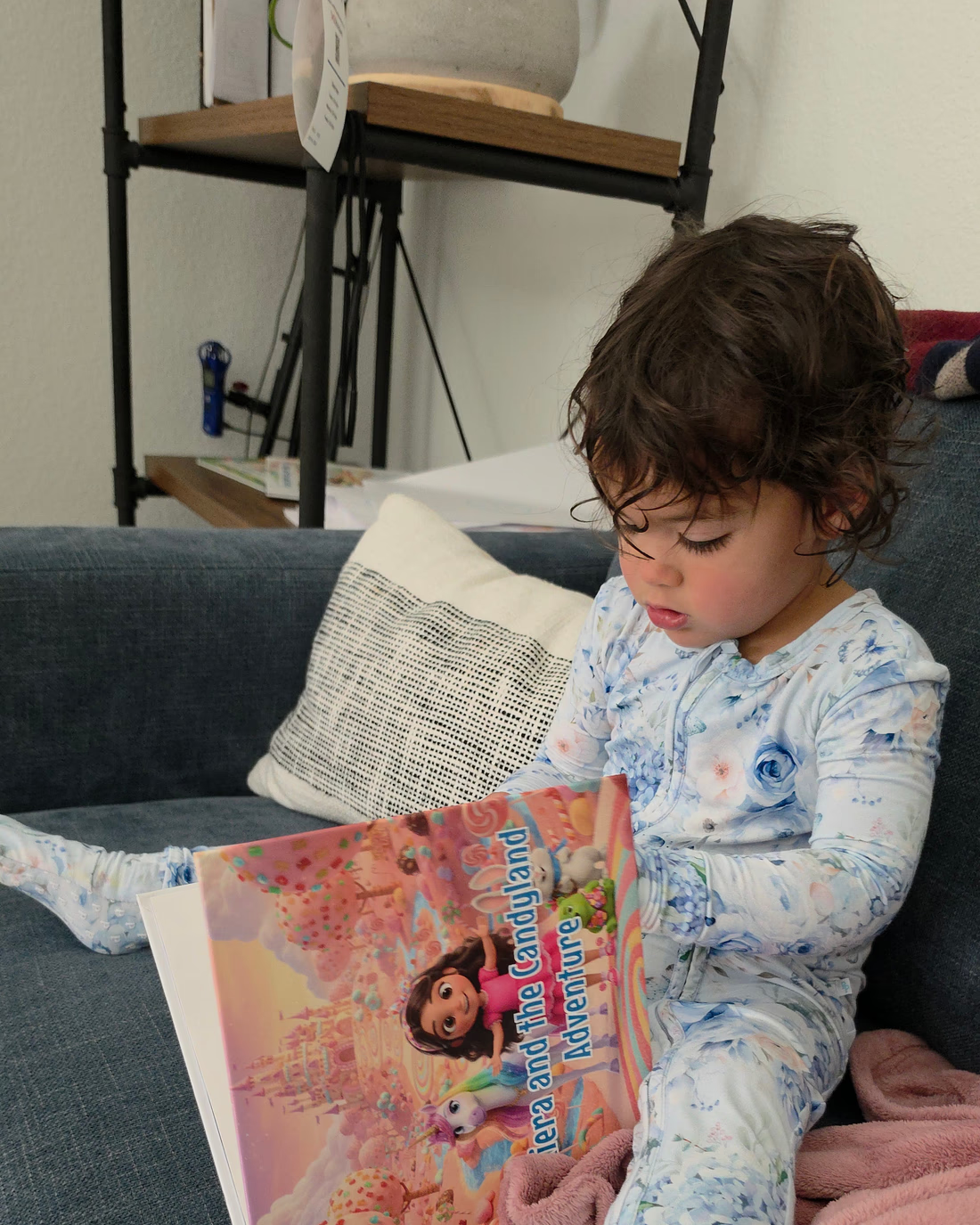
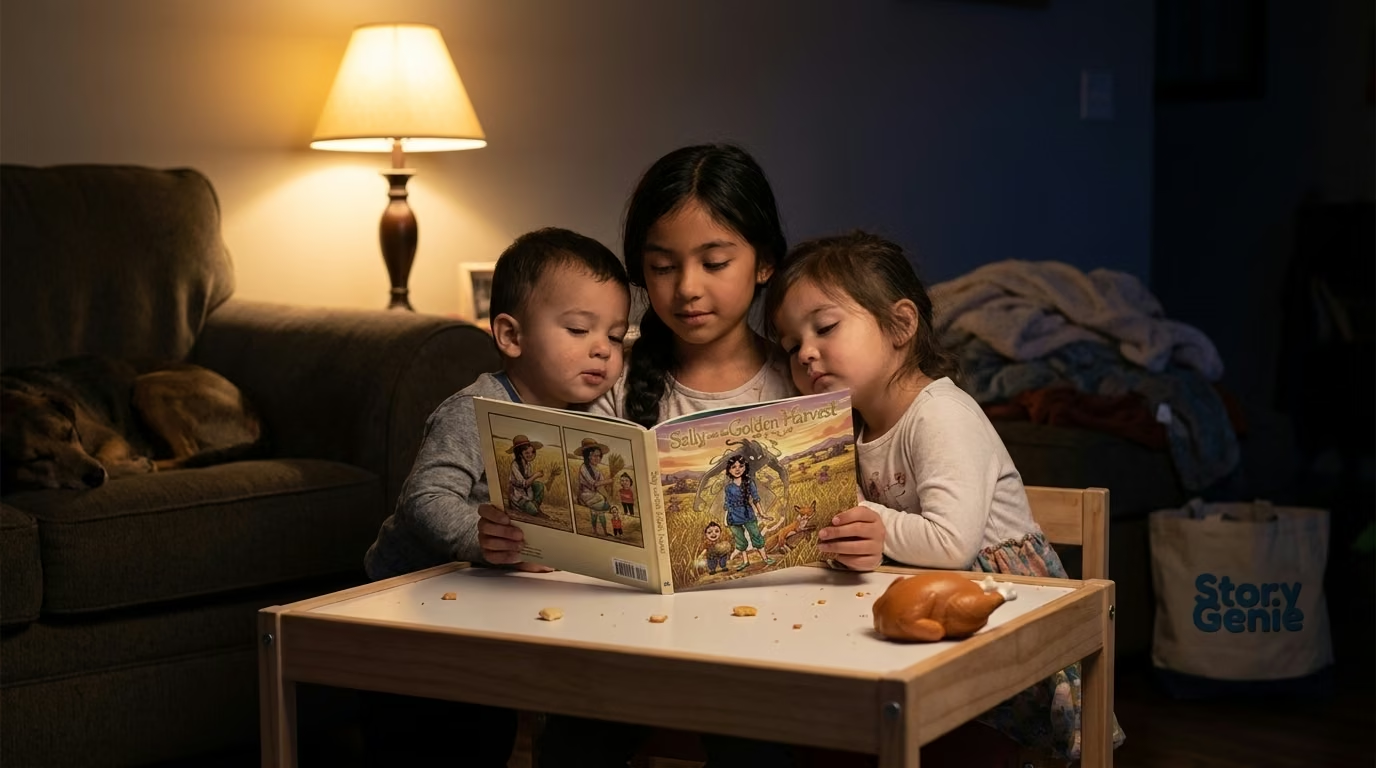
A parent and child reading a picture book together, both looking intently at the illustrations.

More Than Just a Story

We all want to raise kind children. We hope they grow into people who can understand a friend's feelings, or notice when someone needs help. It is one of the biggest and most important goals in parenting.

It can also feel like a hard thing to teach directly. But what if one of the best tools is already on your child's bookshelf? What if building empathy is less about big lessons, and more about small moments you can create during your regular bedtime story?

New research suggests that the way we read picture books can make a real difference. It can help kids practice a skill that is key to kindness. The skill is seeing the world from someone else's point of view.

Seeing Through a Character's Eyes

Researchers at the University of Toronto wanted to know if certain kinds of stories could help children with this skill. They designed an experiment with a group of preschoolers. The question was simple. Could picture books help them understand that other people have different thoughts, feelings, and beliefs?

In the study, some children listened to picture books that explained what characters were thinking or feeling. The stories used words like “wonder,” “think,” and “know” to describe the characters' inner worlds. A brief training with picture storybooks that explained characters' mental states was given to this group.

Afterward, the children were given tasks to measure their ability to understand another person's perspective. The researchers found that the children who read the books about characters' thoughts and feelings performed better on these tasks. The study suggests these stories gave them a kind of practice for real-world empathy.

Your Guide to 'Mind-Minded' Reading

This research is great because it points to something every parent can do tonight. You do not need to buy special books. You just need to change how you talk about the books you already have.

First, wonder out loud. This is the simplest and most powerful tool. When you see a character with a big expression, just say, “Hmm. I wonder what she’s thinking right now.” Or, “I wonder why he decided to do that.” This models curiosity. It is not a quiz. It is a quiet invitation for your child to think about a character's mind.

Second, connect feelings to your child’s world. You could say, “Look, the little bear seems nervous about his first day of school. Do you remember feeling a little nervous too?” This helps your child build a bridge between a character on a page and their own real feelings. It makes the idea of empathy less abstract.

This is not about speed-reading to get to the end. It is about slowing down. In a world engineered to move fast, taking twenty minutes to simply sit with your child and wonder about a story is a powerful act of presence. It teaches them that inner worlds are important, both in books and in life.

Tonight, just try it once. Pick any book and find one moment to wonder out loud about what a character is thinking or feeling. That is a perfect start.


Why We Publish Our Research

We are an AI company, and we believe technology should be used with intention. We also believe in being honest about how things are made. That includes being honest about the science of reading and connection.

This study from the University of Toronto is not about a magic trick for raising perfect kids. It is a small, solid piece of evidence that reminds us of something important. Simple, slow rituals still work. Reading a book together is a powerful way to connect and to give our children tools for kindness and understanding.

We publish our sources because we believe parents deserve real information, not just marketing claims. Trust is built on honesty. A personalized book can be a wonderful tool, giving your child a safe space to see themselves as the hero navigating a new situation or a big feeling. But the real magic always happens when you slow down to read it together.

The short version

  • Reading books that talk about characters' thoughts can help kids understand others' perspectives.
  • Use phrases like 'I wonder why...' to explore feelings during story time.
  • Connect characters' emotions to your child's own real-life experiences.
  • Slowing down to read together is a powerful way to build connection and empathy.
Bring their story to life

Free preview in about 4 minutes. No credit card needed.