
All posts

Child Development

The Power of Home Routines for School Readiness

August 11, 2026 · 4 min read

In a world engineered to grab our kids' attention, the simplest family patterns can be the most powerful. New research suggests that predictable home routines are a quiet force for good, especially when big changes like starting school are on the horizon.
A child's hand places a wooden block on a colorful calendar, representing a daily routine.

Helping Your Child Feel Ready for School

Starting elementary school is a huge milestone. We often focus on the academic side of things. Can they write their name? Do they know their letters? These are important skills. But a child’s emotional and behavioral readiness is just as critical for a happy, successful start.

Feeling secure and prepared for this new chapter starts at home. It doesn't require flashcards or workbooks. According to new research, it might have more to do with the simple, predictable rhythm of your family's day.

What Nearly 1,000 Families Showed Researchers

A large new study from Penn State offers a clear insight. Researchers wanted to understand what helps children adjust to elementary school. They followed 999 families to see how their home life connected to their child's experience.

The findings point to the power of consistency. The study found that when families had stronger home routines, like regular bedtimes and shared meals, their children had an easier transition. Specifically, parents in these families reported lower levels of behavior problems and ADHD symptoms from their children during the transition to elementary school.

This is an important link. It suggests that a predictable environment at home may help children manage the new demands and social situations of a school day.

When families had stronger routines, such as regular bedtimes and shared meals, parents reported lower levels of behavior problems.

Routines Are a Quiet Act of Presence

Routines are not about running a family with military precision. They are about creating small islands of predictability in a child’s busy day. These moments are anchors that provide a sense of safety and calm.

When a child knows what to expect, they can relax. They spend less mental energy wondering what comes next. This frees them up to tackle bigger challenges, like learning to read or making new friends.

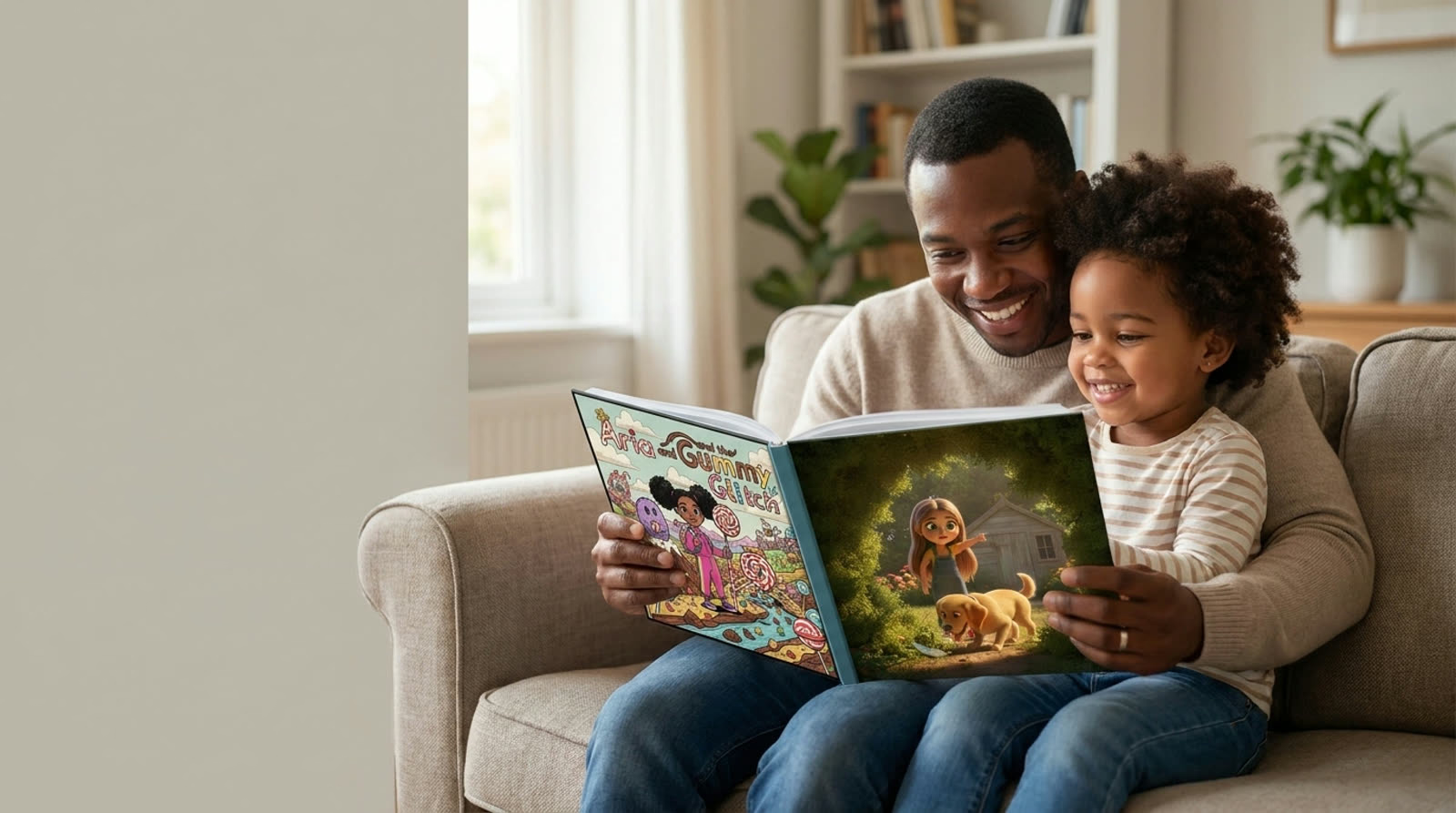
We believe these small rituals are more important than ever. The world today is filled with notifications and distractions, all competing for our children’s focus. A consistent family dinner or a regular bedtime story is a quiet act of presence. It’s a powerful way to signal to your child that they have your full attention, and that home is a place of connection.

Where to Start? Keep It Simple.

Getting started with home routines does not need to be complicated. The Penn State study highlighted two simple but powerful habits: shared mealtimes and a regular bedtime.

A shared meal isn't about the food. It can be takeout on a busy Tuesday. The important part is the act of sitting down together without screens. It's a time to reconnect and share stories from the day.

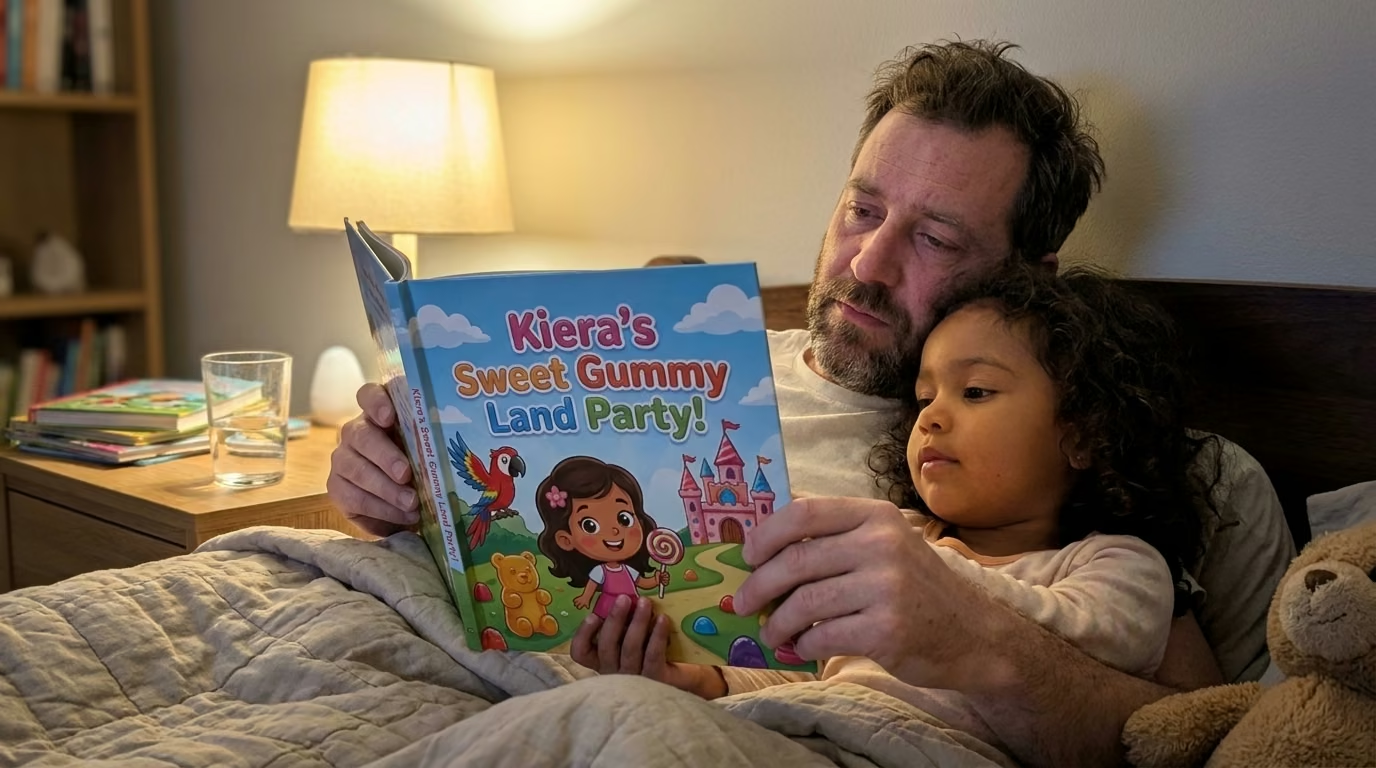
A regular bedtime is less about the exact time on the clock and more about the wind-down process. A calm sequence of events, like a bath, putting on pajamas, and reading a book, signals to a child's brain that it is time to rest. This consistency helps them settle more easily.

One Small Idea

Try to protect 20 minutes each evening for a screen-free wind-down. This small pocket of quiet time can become a cherished ritual that helps your child feel secure and connected before sleep.

Our Point of View

At Story Genie, we think a lot about technology and family life. We are an AI company, and we are also parents and storytellers. We believe technology should serve families, not distract them.

We publish research like this because it supports a core belief. We believe that slow, low-tech family rituals are foundational for a happy childhood. These are the moments where connection happens and memories are made.

Our goal is to build tools that fit inside those precious moments, not compete with them. A personalized book is a prompt for conversation and a reason to cuddle on the couch. This research reminds us that the simplest acts of care are often the most meaningful.

The short version

  • A recent Penn State study linked consistent home routines to fewer behavior and attention issues in children starting school.
  • Simple routines like shared meals and regular bedtimes were associated with a smoother transition to elementary school.
  • Routines provide children with a sense of safety and predictability, freeing up mental energy for new challenges.
  • Creating routines is about connection and presence, not rigid schedules.
  • Even small, consistent rituals can serve as powerful anchors in a fast-paced world.
Bring their story to life

Free preview in about 3 minutes. No credit card needed.