Research
The State of Reading for Fun: What the Latest Research Shows
July 22, 2026 · 5 min read
Recent reports show a sharp decline in kids reading for pleasure. But the data also holds a simple, powerful opportunity for parents.


Research
July 22, 2026 · 5 min read
Recent reports show a sharp decline in kids reading for pleasure. But the data also holds a simple, powerful opportunity for parents.
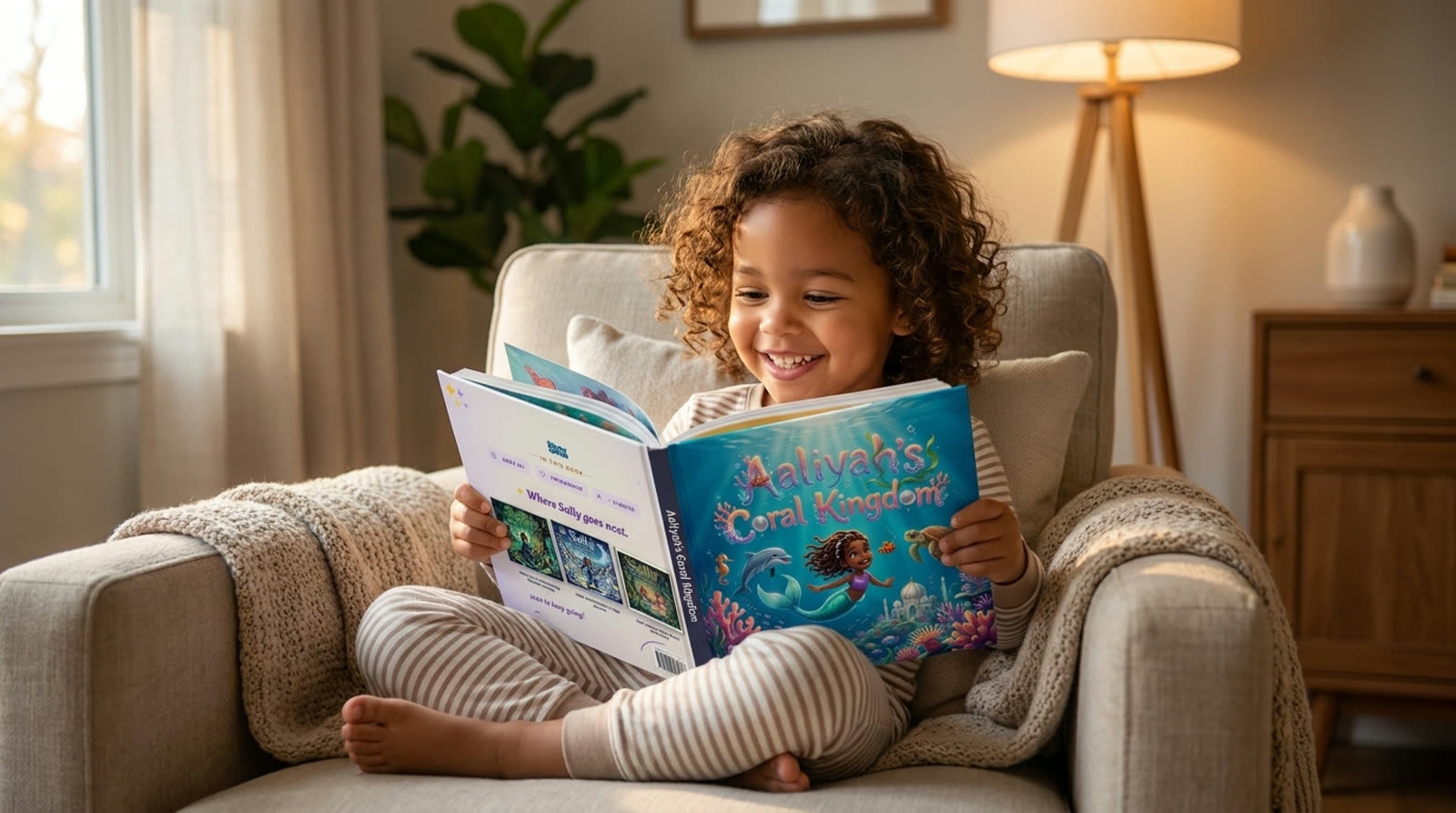
If it feels like kids are reading for pleasure less than they used to, you are not imagining it. The data shows a clear and significant drop. The change is especially noticeable with older kids.
A 2026 report from the National Assessment of Educational Progress (NAEP) found that only 14% of 13-year-olds read for fun almost every day. For perspective, that same figure was 35% in 1984. This shows a major shift in how kids spend their free time over the last few decades.
This trend is not a recent development. It is part of a longer-term pattern. A 20-year study from researchers at University College London and the University of Florida looked at data from over 236,000 people.
They found that the percentage of people who read daily for pleasure fell by over 40% in just two decades. It went from 28% down to 16%. This larger view confirms that reading for fun has become less common across the board.
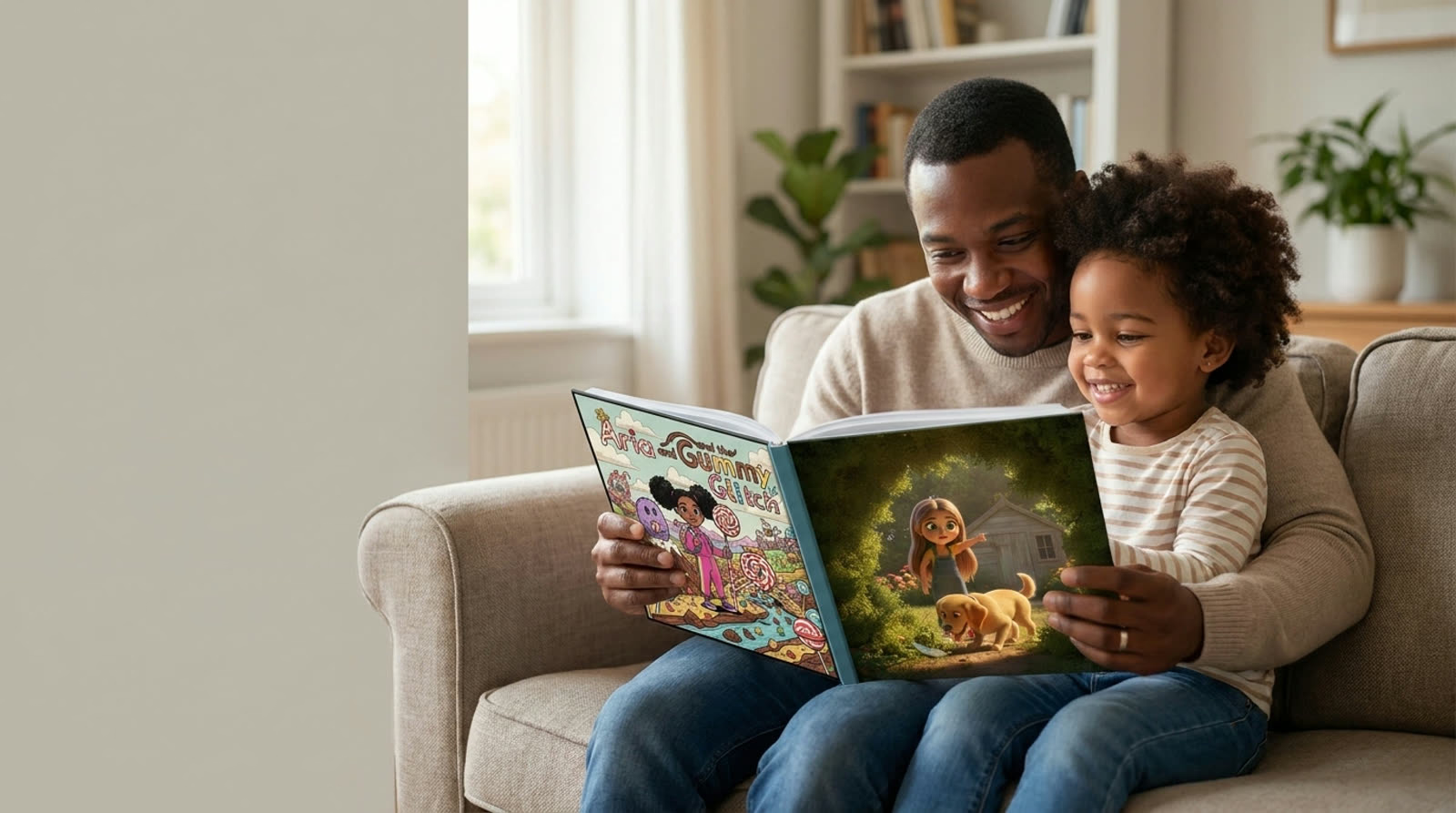
The same data holds an important piece of good news for parents. While personal reading for fun has fallen, another habit has not changed much. Reading together with a child has stayed flat for 20 years.
However, that same 20-year study found that reading with children has always been rare. It was not a widespread daily habit that we lost. It is an opportunity that has always been there, waiting to be taken. This suggests that building a read-aloud habit is not about recovering a lost tradition. It is about starting a powerful new one for your own family.
Many parents read to their toddlers and preschoolers. It is a common part of the bedtime routine. But as children learn to read on their own, parents often stop reading aloud to them. This happens sooner than you might think.
Data from Scholastic’s Kids & Family Reading Report shows a sharp drop-off. About 51% of families with kids ages 0-5 read aloud 5-7 days a week. For ages 6-8, that number falls to 37%. By ages 9-11, it is just 16%. This drop happens right when independent reading is developing, but many kids still benefit from hearing stories.
It is easy to assume that once kids can read by themselves, they no longer want or need to be read to. The research suggests this is not true for many children.
According to a 2015 edition of the same report from Scholastic, a large number of kids missed reading together when it stopped. The report found that 40% of children ages 6-11 whose parents had stopped reading to them wished it had continued. They still enjoy the closeness, the conversation, and the shared experience of a good story.
At Story Genie, we use AI to help create our personalized books. We believe it is important to be upfront about that. We also believe it is important to be upfront about the research we share.
Parenting is full of big decisions, and you deserve access to the real data. That is why we link directly to the studies and reports we cite. We want you to see the numbers for yourself and feel confident in the choices you make for your family's reading life.
The short version
Free preview in about 4 minutes. No credit card needed.